
LEGAL GUIDE
Australia Casino Laws and Online Gambling Rules
 Available in AU
A clear guide to divided gambling authority, restricted online casino offerings, bonuses, payments and licence checks.
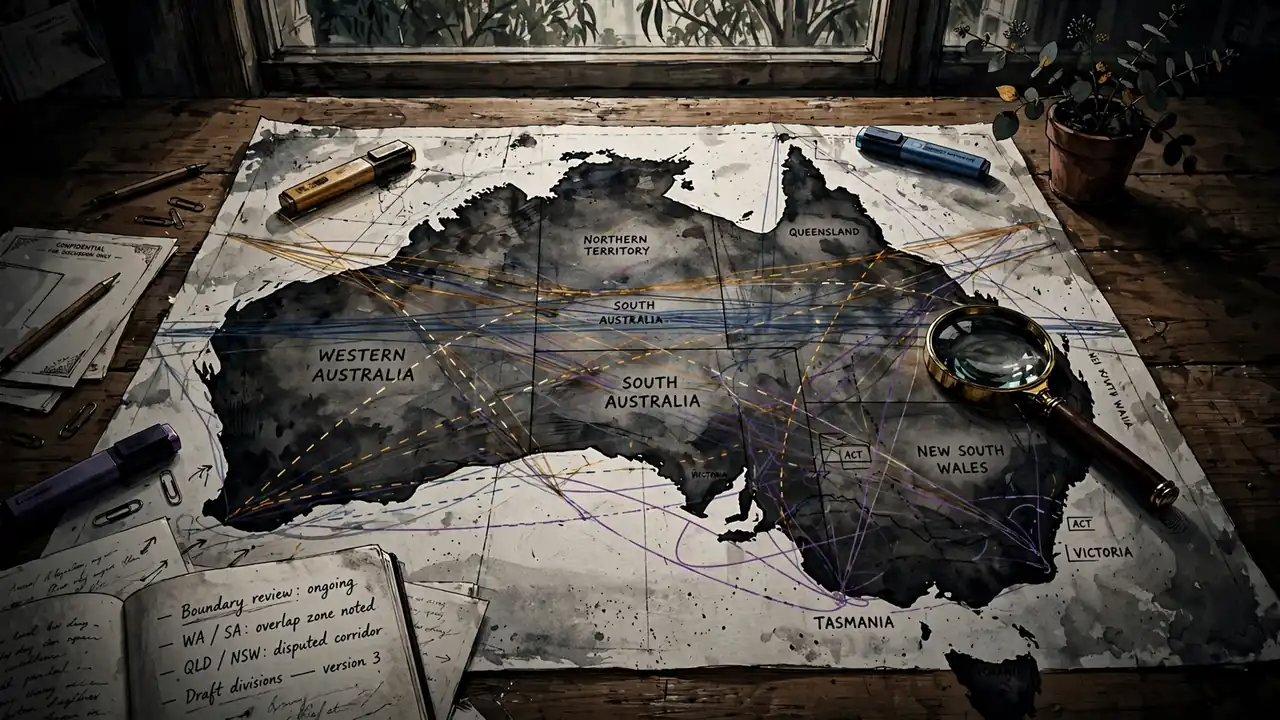
The Legal Map Behind Australia’s Casino Games
Australia’s gambling rules do not sit inside one neat national code, administered by one national office. Authority is divided. The Commonwealth sets important rules for interactive gambling, while states and territories license and supervise particular forms of gambling within their own jurisdictions. The result is less a single rulebook than a map with overlapping borders.
That division matters because the legal status of a gambling product depends not only on what it is, but also on how it is offered. A sports wager and a roulette table may both involve money, odds and a website, yet they occupy very different positions under Australian law.
Two levels of regulation
Australia has no single overarching gambling statute or gambling authority. Gambling is regulated at both federal and state or territory levels, with different responsibilities attached to each layer.
State and territory authorities are responsible for licensing certain gambling activities and operators. Online sports betting is legal and licensed at that level. Race wagering also belongs to the licensed wagering landscape, although the specific licensing arrangements differ between jurisdictions. The federal framework does not replace those local systems; it sits alongside them.
This shortlist highlights key facts to help Australian players quickly assess licensed operators, deposit requirements, bonuses, and other notable terms when exploring index options.
License: Curacao eGaming Licence · Min. deposit: A$10 WinSpirit operates under a Curacao eGaming Licence and has a minimum deposit of A$10.
License: Curacao eGaming Licence · Min. deposit: A$10 PlayCroco is licensed by Curacao eGaming and accepts deposits from A$10.
License: Curacao · Bonus: up to A$2,000 Golden Pokies holds a Curacao licence and is notable for a bonus of up to A$2,000.
License: Curacao (operating since 2017) · Bonus: 250% up to A$2,000 + 50 free spins on the first of six deposits · Min. deposit: A$20 Uptown Pokies operates under Curacao regulation and has been operating since 2017. Its offer includes a 250% bonus up to A$2,000 plus 50 free spins on the first of six deposits, with a A$20 minimum deposit.
License: Curacao eGaming (Hollycorn N.V., since 2017) · Bonus: 225% up to A$1,540 + 600 free spins across 4 deposits, 20x wagering · Min. deposit: A$20-30 (depends on the offer) Playfina Casino operates under Curacao eGaming through Hollycorn N.V. and has done so since 2017. Its offer includes 225% up to A$1,540 and 600 free spins across four deposits, with 20x wagering and a minimum deposit of A$20–30 depending on the offer.
License: Curacao Gaming Control Board OGL/2023/176/0095 (Hollycorn N.V.) · Bonus: up to A$5,000 + 300 free spins across 4 deposits Rollero Casino is licensed by the Curacao Gaming Control Board under OGL/2023/176/0095 through Hollycorn N.V. Its bonus provides up to A$5,000 plus 300 free spins across four deposits.
License: Curacao Gaming Control Board OGL/2023/174/0082 (Dama N.V.) · Bonus: up to A$5,000 + 300 free spins across 4 deposits SpinsUp holds a Curacao Gaming Control Board licence, OGL/2023/174/0082, through Dama N.V. Its offer includes up to A$5,000 plus 300 free spins across four deposits.
License: international iGaming licence – jurisdiction not named in the source · Bonus: 100% up to A$1,000 + 100 free spins, 35x wagering · Payout speed: PayID 1-24 hours · Min. deposit: A$30 (PayID from A$10) House of Pokies lists an international iGaming licence, although the jurisdiction is not named in the source. Its offer includes 100% up to A$1,000 and 100 free spins with 35x wagering; PayID payouts are stated as taking 1–24 hours, and the minimum deposit is A$30, or A$10 via PayID.
License: Curacao – Antillephone N.V. (Versus Odds B.V.) · Bonus: up to EUR 2,000 across 5 deposits + 200 free spins · Min. deposit: EUR 20 Thor Casino operates under a Curacao licence issued through Antillephone N.V. for Versus Odds B.V. Its bonus provides up to EUR 2,000 across five deposits plus 200 free spins, with a EUR 20 minimum deposit.
License: Curacao · Bonus: up to A$10,000 multi-stage + 500 free spins · Min. deposit: A$20 (POLi) Lucky Dreams holds a Curacao licence and offers a multi-stage bonus of up to A$10,000 plus 500 free spins. The minimum deposit is A$20 when using POLi.
The federal role becomes especially important when gambling crosses borders through telecommunications and the internet. The Interactive Gambling Act 2001 addresses services supplied online to people in Australia. It makes it illegal for gambling providers to offer some online services to people in Australia, creating a national boundary around prohibited interactive gambling.
That boundary is easy to miss when a website appears to be located elsewhere. A provider may operate from another country, use an overseas business address or describe itself as licensed abroad. None of those facts changes the Australian classification of the service. The relevant question is whether a prohibited online gambling product is being offered to an Australian customer.
The Australian Communications and Media Authority, commonly known as ACMA, monitors compliance with and enforces Australia’s interactive gambling laws. It is not a general casino licensing authority. Its role is tied to the interactive gambling rules: identifying services that breach them and taking enforcement action within the powers available under the federal framework.
A tidy national system would be easier to explain. Australia chose a layered one.
Lawful wagering is not a general online-casino permission
The existence of legal online betting can create a misleading impression that online gambling is broadly permitted. It is not.
Online sports betting is legal and licensed at the state and territory level. That permission applies to the wagering products covered by the relevant licence. It does not create a general entitlement to offer every gambling game through the internet.
Online casino games are treated differently. Under the Interactive Gambling Act, online casino games such as pokies, roulette, blackjack and live-dealer tables are “prohibited interactive gambling services” when offered to an Australian customer.
The distinction is therefore not between a respectable website and an obscure one. It is between product categories recognised differently by law. A licensed wagering service may lawfully provide sports betting within its authorised scope, while the same broad digital environment cannot be used to provide online roulette or blackjack to an Australian customer.
Legal and licensed at the state and territory level.
Prohibited interactive gambling services when offered to Australians.
A licensed wagering landscape with varying jurisdictional arrangements.
This is where everyday language causes trouble. “Casino games” can sound like a broad entertainment category, but Australian law gives particular online products a sharper status. Pokies, roulette, blackjack and live-dealer tables are not merely games waiting for the right paperwork. When offered online to an Australian customer, they fall within the prohibited category defined by the Interactive Gambling Act.
The legal map is drawn by statute, not by the visual design of a website.
Why the product matters
A gambling service may contain several sections, each presented through the same account or payment interface. That packaging does not merge their legal treatment. A sports market does not become a casino product because it appears beside a virtual table. A casino game does not become lawful because the provider also holds a licence for another form of wagering.
This product-based distinction is particularly important for pokies. In Australian usage, “pokies” refers to electronic gaming machines, a familiar part of the country’s land-based gambling culture. Their presence in clubs, hotels or casinos does not establish that online pokies may be supplied to Australian customers. The physical setting and the interactive online service belong to different regulatory questions.
Roulette and blackjack follow the same logic. Their traditional casino identity does not itself decide the issue; the decisive point here is their online provision to an Australian customer. Live-dealer tables add a human presenter and a streamed environment, but the extra realism does not move them into the lawful wagering category. A live table remains a prohibited interactive gambling service when offered in that form.
The internet changes the route to the game, not the legal category assigned to it.
Provider-focused enforcement
The Interactive Gambling Act targets the provider rather than the player. Australians are not committing a crime by placing bets at offshore sites. That distinction should not be confused with approval of the service. The law’s focus on providers explains why enforcement is directed at the supply of prohibited interactive gambling, rather than treating the individual customer as the primary offender.

This arrangement also explains why the word “licensed” requires precision. A licence for sports or race wagering does not authorise online casino games. Nor does a provider’s overseas status answer the Australian legal question. The relevant Australian framework concerns what service is being supplied and whether it is permitted for Australian customers.
ACMA’s enforcement work sits within that framework. It monitors compliance with the interactive gambling laws and acts against services operating contrary to them. The federal regulator therefore forms the national enforcement point, while state and territory bodies remain important for the licensed wagering activities they supervise.
No single authority holds the whole map.
A boundary drawn before the game begins
For Australian gambling, legality cannot be inferred from familiarity, convenience or the appearance of a digital platform. Sports betting belongs to a licensed category at state and territory level. Online casino products—including pokies, roulette, blackjack and live-dealer tables—belong to the prohibited interactive gambling category when supplied to Australian customers under the Interactive Gambling Act 2001.
That is the foundation for understanding the market. The legal question comes before the game, before the interface and before the promise of a digital casino experience. A familiar product does not become permitted merely because it has been placed behind a login screen.
Bonuses That Cannot Be Sold as a Legal Shortcut
A bonus is a sales device, not a legal instrument. It may change the language around a gambling service, but it cannot change the service itself. In Australia, that distinction matters because the Interactive Gambling Act 2001 addresses the provider’s conduct. A welcome offer, deposit match, free bet or loyalty reward does not turn a prohibited online casino into a lawful Australian product.
That is the awkward limit of promotion. Marketing can make an arrangement look more familiar than it is. It cannot make an unlawful service domestic, licensed or approved.
What a promotion can—and cannot—change
Casino promotions are usually designed to reduce the psychological distance between a person and a gambling product. A headline speaks of a reward; the underlying transaction remains a wager. A banner may emphasise extra funds, spins or a loyalty benefit; the legal character of the service remains untouched.
- Focus on factual service descriptions
- Clarify the nature of the product
- Use of terms like “Australia-friendly”
- Promoting prohibited casino products
For Australian customers, this is especially important where the promotion relates to online pokies, roulette, blackjack or live-dealer tables. These products are prohibited interactive gambling services when offered to an Australian customer. The presence of an inducement does not create an exception. Nor does the absence of one make the underlying offer acceptable.
The same principle applies to the operator’s presentation of itself. Calling a website “international”, “premium”, “licensed overseas” or “Australia-friendly” does not establish an Australian authorisation. An offshore casino remains an offshore casino. A foreign licence may describe the regulator in another jurisdiction, but it does not permit the operator to provide prohibited casino games to Australians.
Promotional vocabulary often tries to do several jobs at once: attract attention, suggest legitimacy and soften the perception of risk. The law is less literary. It asks what service is being offered and to whom.
Inducements are not neutral wording
The word “bonus” can sound harmless because it describes something additional. In practice, inducements are meant to influence a decision to open an account, deposit money or continue gambling. That commercial purpose is why promotional language deserves more care than a neutral explanation of gambling regulation.
Australian restrictions already prohibit advertising inducements to open a betting account, including sign-up bonuses, first-deposit bonuses, free bets and refer-a-friend offers. A page discussing gambling promotions should therefore avoid reproducing the sales pitch it claims to examine. Repeating a bonus code, presenting an offer as an opportunity or directing readers towards an account-opening incentive would turn explanation into promotion.

The distinction is not cosmetic. A factual statement that inducements exist in the market is different from a message that presents them as desirable. The first describes commercial practice. The second participates in it.
This also explains why “terms and conditions apply” is not a sufficient legal disclaimer. Fine print may qualify an offer, but it does not authorise the service behind it. Nor can a warning that an operator is offshore cure the problem if the surrounding text still encourages registration or deposits.
Why “legal bonus” is a misleading idea
A promotion can be described as legal only within the legal setting that governs the particular service and audience. In Australia, licensed wagering exists at state and territory level, while online casino games are prohibited. It follows that a bonus attached to a prohibited online casino cannot be rescued by careful wording.
The phrase “legal bonus” is especially misleading when it quietly merges two separate questions:
- Is the promotion lawful as advertising?
- Is the gambling service itself lawful for Australians?
The first question cannot answer the second. Even a promotion that appears modest or technically polished cannot supply the missing Australian casino licence. There is no domestic licence authorising casino games for Australian customers.
Nor does a foreign approval fill that gap. Malta or Curaçao may be associated with offshore licensing, but those jurisdictions do not become Australian authorities by appearing in a footer or beside a badge. A foreign licence is not an Australian permission slip.
Dryly put: a badge is not a bridge.
The provider bears the legal burden
The Interactive Gambling Act targets the provider rather than the player. Australians are not committing a crime merely by placing bets at offshore sites. That distinction should not be blurred by promotional copy, which often makes the user feel that the entire legal burden rests on the account holder.
It does not. The provider is the central subject of the prohibition. Yet the absence of criminal liability for the player should not be rewritten as an endorsement of offshore services. Legal exposure is only one part of the picture. Services outside the Australian framework may also leave customers dealing with unfamiliar complaint processes, uncertain protections and a regulator located elsewhere.
A responsible explanation therefore avoids two opposite exaggerations. It should not claim that every player is breaking the law. It should also not imply that an offshore promotion is safe, approved or officially welcome merely because the player is not the target of the Interactive Gambling Act.
The quieter truth is less dramatic and more useful: the legal rule is directed at supply, while the practical consequences can still fall heavily on the person using the service.
Summary of Enforcement
- ACMA actively blocks illegal sites and affiliates.
- Enforcement targets the provider rather than the individual player.
- Thousands of sites have been blocked or exited the market following regulatory action.
Why promotional language attracts enforcement attention
Advertising is not an ornamental layer placed above gambling law. It can help prohibited providers reach Australian customers, especially when an offer uses local currency, Australian references or language designed to make an offshore service feel domestic. Such details may not alter the legal classification of the casino, but they can make the commercial invitation more direct.
ACMA can direct internet service providers to block sites operating in breach of the Interactive Gambling Act. Its enforcement record shows that blocking is not a theoretical possibility. As of August 2025, ACMA had blocked 1,296 illegal sites and affiliates since 2019. More than 220 illegal gambling services had voluntarily exited the Australian market following ACMA action.
Those figures include sites and affiliates, not merely the pages where a bonus is displayed. That matters because promotion often travels through a wider network: comparison pages, affiliate links, social posts and branded landing pages. A service can be made more visible by its marketing partners, but visibility does not make it lawful.

The figures should also be read with care. They describe enforcement activity, not a list of approved alternatives. A blocked site is evidence of regulatory intervention, not a prompt to search for another offshore casino carrying a more attractive offer.
A safer way to discuss bonuses
A useful account of gambling promotions should explain the legal boundary without reproducing inducements. It can identify the commercial function of a bonus, distinguish wagering from casino services and state that no offer can legalise prohibited online casino games for Australian customers.
It should not:
- publish sign-up or first-deposit offers;
- provide bonus codes or referral links;
- frame free bets or rewards as reasons to open an account;
- suggest that a foreign licence authorises service in Australia;
- describe an offshore casino as an approved or licensed Australian option;
- encourage readers to evade blocking or access a prohibited service.
Responsible gambling information belongs in this discussion because inducements are designed to increase engagement. Support is available through Gambling Help Online, while BetStop – the National Self-Exclusion Register™ provides a national self-exclusion pathway for eligible online and phone wagering services. Neither service transforms a prohibited casino into a lawful one, but both reflect a public policy that treats gambling as a matter of personal welfare as well as market regulation.
The social meaning of the bonus is easy to miss. It presents gambling as a relationship that should begin with a gift, continue through rewards and perhaps become a habit organised by loyalty. Regulation interrupts that story. Not elegantly. Deliberately.
For Australian customers, the central point remains simple: no promotion can supply the licence that online casino games do not have. A bonus may be part of an advertisement, but it is never a legal shortcut.
Payments and Withdrawals Under a Regulatory Shadow
Money reveals the practical meaning of gambling regulation more clearly than a legal definition does. A prohibited service may still display a deposit button, accept a card or offer a withdrawal route, but those functions do not turn the service into a lawful Australian gambling business. They merely show that money can move through a system that Australian law does not authorise.

That distinction matters because the payment process often feels more concrete than the operator’s legal status. A balance appears on screen. A withdrawal request is submitted. An email confirms an account action. The interface creates an impression of ordinary commerce, while the underlying service may sit outside the domestic framework entirely.
A deposit is not a licence
Australian law permits licensed operators to offer authorised gambling products, including sports and race wagering. It does not create a domestic licence for real-money online casino games. Consequently, a payment accepted by an offshore casino cannot be treated as evidence that the casino is approved to serve Australian customers.
The Interactive Gambling Act 2001 places the legal burden on providers of prohibited services rather than making the player’s act of placing a bet a crime. That difference is easy to miss at the moment money leaves an account. The customer may not be committing an offence merely by using an offshore service, but the service is still outside the Australian authorisation system.
Payment and Legality Transactions can be technically successful and legally unprotected at the same time.
Even if a payment rail works, it does not mean the service is authorised within the Australian framework.
The payment rail does not repair that gap. Neither does an account page, a customer-support chat, or a polished cashier interface. A transaction can be technically successful and legally unprotected at the same time.
This is the awkward part.
Withdrawals carry the same uncertainty
Depositing is visible and immediate; withdrawing is where the relationship with an offshore operator is tested. A service operating outside the Australian framework may create risks around access to funds, account restrictions, identity checks, dispute handling and the continued availability of its website. These risks arise from the operator’s position outside the domestic system, not from the name of a particular payment method.
A withdrawal request therefore cannot be understood simply as the reverse of a deposit. The first transaction establishes an account balance inside the operator’s system. The second depends on that operator continuing to process the request and on the relevant payment and compliance arrangements remaining available. If access to the service is interrupted, the practical route to resolving a dispute becomes less certain.
ACMA can direct internet service providers to block websites operating in breach of the Interactive Gambling Act. Blocking is aimed at access to the service, not at confiscating a player’s balance, but the commercial effect is still plain: a website may become harder to reach while money remains connected to an account there. More than 220 illegal gambling services have voluntarily exited the Australian market following ACMA action, adding another form of uncertainty for anyone who has left funds with an offshore provider.
The reported scale of blocking differs between supplied figures and should not be quietly flattened into one neat total. One figure states that ACMA had blocked 1,296 illegal sites and affiliates as of August 2025; another states that, as of March 2026, ACMA had directed internet service providers to block 1,564 illegal gambling and affiliate websites. The wording and dates are not identical, so the discrepancy is part of the record rather than a reason to pretend that one number settles every interpretation.

Regulation changes the direction of money
The reforms were intended not merely to define unlawful services, but to reduce the flow of Australian gambling money to operators outside the country’s regulatory reach. Reports show that the amount people lost on gambling services based outside Australia has reduced since the reforms. That is a significant outcome because offshore gambling depends on more than a website being reachable: it depends on deposits being accepted, balances being maintained and withdrawals being processed.
Online gambling remains the fastest-growing gambling segment. Growth, however, does not make every form of online gambling lawful. It makes the distinction between regulated wagering and prohibited online casino services more consequential. A growing digital market gives payment systems, banks, regulators and consumers more occasions to encounter services whose commercial appearance exceeds their legal standing.
This is why payment language requires restraint. A list of deposit routes can resemble an invitation, even when accompanied by a warning. Describing a service as “easy to fund” or “fast to withdraw from” would move from explanation into promotion, particularly where the service is an offshore casino that has no Australian casino licence. The responsible description is narrower: money may be accepted by a provider, but acceptance does not establish legality, safety or enforceable Australian consumer protection.
The scale of gambling losses
The broader financial context is substantial, although the available figures are not presented in a single consistent form. Australia reported approximately $32 billion in gambling losses during 2022–2023. A separate figure states that Australians lose approximately $25 billion on legal forms of gambling each year. These numbers describe different periods or categories, so they should not be combined as though they measured the same thing. The disagreement is not a minor accounting footnote; it shows why a headline loss figure needs its scope stated before it is used.
The money involved is not abstract. Losses can affect household budgets, relationships and the ability to meet ordinary expenses. A payment system makes gambling feel divisible into deposits and withdrawals, but the personal result is measured outside the cashier page. Once lost, money does not become less consequential because the transaction was digital.
Gambling Losses (2022–2023) ~$32 billion
At-risk Population Estimate 1.4%–2.1%
ACMA Blocked Sites (since 2019) 1,296
A profile review gives estimated problem-gambling prevalence at 0.5% to 1.0%, with a further 1.4%–2.1% described as at risk of developing problems. This is a figure from one source type, not an established market-wide norm, and the categories are not interchangeable. It is best read as an estimate presented in a profile review rather than as a definitive national measurement.
Why domestic protections matter
A domestic regulatory framework does more than attach a licence to a brand. It provides an identifiable authority, rules for approved products and channels for enforcement. In Australia, ACMA monitors compliance with and enforces the interactive gambling laws. Its intervention can include directing internet service providers to block unlawful websites. That is a public response to the provider’s conduct, not a guarantee that every payment dispute involving an offshore operator will be resolved for the customer.
The absence of a domestic real-money online casino also means that payment convenience should not be mistaken for a lawful local alternative. Australian-licensed gambling operators are limited to authorised wagering products, while online casino games such as pokies, roulette, blackjack and live-dealer tables are prohibited interactive gambling services when offered to Australian customers.
For people experiencing gambling harm, payment friction may be one small protective barrier, but it is not a substitute for support. BetStop – the National Self-Exclusion Register™ and Gambling Help Online exist within the wider harm-reduction landscape. The commercial movement of money is only one part of the problem; the human cost begins well before a failed withdrawal or a blocked website.
A cashier can make a service look ordinary. Regulation asks a less flattering question: ordinary for whom?
Why Australia Has No Domestic Real-Money Online Casino
Australia has no domestically licensed real-money online casino for its residents. There is no Australian gambling licence that authorises an operator to offer casino games online, whether the catalogue is built around pokies, roulette, blackjack or live-dealer tables. The absence is not a gap in a directory. It is the result of the law.

Only local operators holding relevant licences may offer gambling products to Australian residents. That principle sounds broad until the product is identified. Australian regulation distinguishes between forms of gambling that may be licensed and casino products that cannot lawfully be provided online to customers in Australia. Sports and race wagering sit on one side of that boundary. Online casino games sit on the other.
The commercial market therefore has an unusual shape. Australia can have licensed wagering operators without having a domestic online casino industry. A betting licence is not a general gambling passport. It authorises the product covered by the licence and nothing more.
A licence for wagering is not a casino licence
The phrase “licensed operator” can conceal more than it clarifies. In Australia, the relevant question is not simply whether a business holds some gambling approval. It is what that approval permits.
Race and sports wagering are licensed at state and territory level. The Northern Territory Racing Commission acts as the de facto regulator for national online bookmakers, giving the Territory an importance that reaches well beyond its population. That role helps explain why an operator may be associated with an Australian regulatory framework while still being authorised only for wagering.
It does not create a route into online casino games.
The same distinction applies to the wider licensed market. A specialist overview reports approximately 130 licensed operators in Australia as of 16 September 2026, but that figure should not be read as a count of online casinos. It concerns licensed gambling operators across the market, where the lawful category is principally wagering and other permitted products. A large number of licences cannot produce a casino licence where the law does not provide one.
No domestic casino approval is waiting behind a different registration form. No Australian regulator can turn a sports-betting authorisation into permission to run an online roulette table.
That is the part commercial language tends to blur.
Queensland shows the boundary clearly
Queensland offers a particularly neat illustration of the difference between a licence and the product attached to it. There is no current holder of an interactive gambling licence in Queensland. At the same time, UBET QLD Limited is currently the exclusive licence holder for race and sports wagering in the state.
Queensland provides a clear distinction: while UBET QLD Limited holds exclusive licences for race and sports wagering, there is currently no interactive gambling licence holder in the state.
Those two facts are not contradictory. They describe different regulatory categories.
UBET QLD Limited’s position concerns race and sports wagering, not casino games. The absence of a current interactive gambling licence does not leave a hidden opening for an online casino; nor does the wagering authorisation alter the national position on prohibited casino products. The state can recognise a lawful betting arrangement without licensing online pokies, roulette, blackjack or live-dealer casino tables.
Queensland’s example also warns against reading public language too quickly. “Exclusive licence holder” may sound like an exclusive gambling operator in every sense. It is not. Exclusivity belongs to the specified wagering field. In a regulated market, the noun after the licence matters.
The Northern Territory’s national influence
The Northern Territory occupies a different place in the picture. Its Racing Commission is widely treated as the de facto regulator for national online bookmakers. That does not mean the Territory licenses every form of online gambling available to Australians. It means that the Territory’s regulatory machinery has become central to the supervision of online wagering businesses operating across the country.

The distinction is institutional rather than geographical. An online bookmaker may be based elsewhere, serve customers in several jurisdictions and still fall within a regulatory structure associated with the Northern Territory. None of that changes the product boundary established by Australian law.
A bookmaker is not an online casino because both accept money. A wagering regulator is not a casino regulator because both belong to the gambling sector. The market is full of businesses whose names, interfaces and payment screens may look similar. The legal categories are less impressionistic.
Why foreign approval changes nothing
Offshore casinos commonly hold licences from Malta or Curaçao. Those licences may be genuine within the systems that issue them, and the relevant authorities maintain public registers in which a licence number and status can be checked. But a foreign licence is not an Australian authorisation.
This matters because “licensed” is often used as if it were a universal adjective. It is not. A Malta or Curaçao licence may describe the operator’s position under foreign law; it does not permit that operator to provide prohibited online casino games to Australian customers. Presenting offshore casinos as legal or licensed Australian options would confuse two separate jurisdictions and give the wrong practical impression.

The central fact remains unromantic: no Australian gambling licence exists for casino games because offering that product to Australians is against the law. A foreign certificate cannot repair that conflict. Nor can a company’s incorporation, customer-support language or acceptance of Australian currency.
Offshore casinos remain offshore casinos.
What the domestic market actually contains
The lawful online gambling picture is therefore narrower than a casual tour of gambling websites might suggest. Australian residents may encounter wagering services operating under relevant local arrangements, particularly in sports and racing. They may also see references to a broader licensed-operator market, with the number reported by one specialist overview reaching approximately 130 as of 16 September 2026.
But the existence of licensed bookmakers does not establish a domestic online casino sector. There is no locally licensed real-money casino offering Australian players a lawful catalogue of pokies, roulette, blackjack or live-dealer tables. The product is missing because the authorisation is missing, and the authorisation is missing because the product is prohibited.
That structure also explains why ordinary consumer assumptions fail. In many markets, a player can compare casinos by looking for a national licence, checking its conditions and then choosing among approved operators. Australia does not offer that domestic casino route. The licensed choice is not between several Australian online casinos. It is between lawful gambling categories, chiefly wagering, and services that sit outside the Australian framework.
The difference is not academic. It determines what an operator may advertise, what service it may provide and what protections belong to the domestic system. A website can present a polished casino lobby without becoming part of Australia’s licensed gambling market.
A market defined by what it refuses to license
Australia’s gambling system says something about the country through its omissions. It has not abolished gambling; it has drawn a firm line between established wagering channels and online casino products. The result is a market in which betting licences exist, regulatory institutions operate and operators can be numerous, while a domestic real-money online casino remains legally absent.
Regulation Gaps No Australian casino licence exists for online games like pokies or roulette.
That absence should be stated plainly rather than softened by labels such as “international,” “alternative” or “licensed elsewhere.” Those descriptions may be factually narrower, but they do not create Australian permission.
There is no domestic online casino licence to find. There is no Australian casino operator waiting to be selected from a national register. There is only a wagering framework on the licensed side, and a prohibition where online casino games are concerned.
Checking a Licence Before Trusting the Door
A licence number can look impressively official while proving very little about access in Australia. The first distinction is between an Australian wagering authorisation and a foreign licence held by an offshore casino. They belong to different regulatory systems, and one does not turn into the other merely because both use the word licence.
ACMA publishes a register of Australian-licensed interactive wagering service providers. That register is relevant to services authorised in Australia, particularly licensed wagering. It is not an Australian casino register, because no Australian casino licence exists for online casino games. A search that finds a wagering provider therefore cannot be stretched into approval for pokies, roulette, blackjack or live-dealer tables.
That is the small print with large consequences.

What an Australian register can — and cannot — show
The Australian register should be read as a record of the relevant local authorisation, not as a general certificate of respectability. A provider’s name, licence details and status must correspond with the service being offered. A wagering licence does not authorise a different product simply because the same company operates several gambling brands.
This is where casual checking tends to fail. A familiar logo may sit above a page offering several kinds of gambling, while the legal permission covers only one category. The name on the page is not the decisive evidence. The regulated product and the authority behind it are.
For an Australian licence check, the useful sequence is straightforward:
- Identify the legal entity named in the site’s terms or licence information.
- Note the licence number exactly as displayed.
- Check that number against the relevant regulator’s official register.
- Compare the registered entity and status with the service actually being offered.
- Treat any mismatch as unresolved rather than as a harmless spelling difference.
The final step matters because a number without a matching official record is only a number. It may be copied, outdated, or attached to another company. A polished footer does not repair that gap.
Why foreign registers are separate
Offshore operators commonly hold licences from Malta or Curaçao rather than an Australian casino licence. The Malta Gaming Authority and Curaçao licensing authorities maintain public registers where a licence number and its status can be checked. Those registers can help establish whether a foreign authorisation exists within that foreign system.
They do not establish permission to serve Australian customers.
A Malta or Curaçao licence is issued under the rules of its own jurisdiction. It is not an Australian authorisation, and it does not override the Australian framework. The distinction is not decorative legal language: the same website may be licensed abroad and still lack permission to provide prohibited casino services to people in Australia.
The sensible comparison is therefore not “Which foreign licence is better?” It is “What does this licence actually authorise, and in which jurisdiction?” A foreign register may confirm the identity or status of an offshore operator. It cannot transform an offshore casino into a domestically licensed Australian casino.
Verifying a Licence
Locate the legal entity name in the site’s terms or licence information.
Note the exact licence number and the issuing regulator.
Compare the entity and status against the official regulator’s register.
Verify that the registered product matches the service actually being offered.
A practical cross-check
Licence verification works best as a chain of matching details rather than a single glance at a badge. The site may display a licence number, a corporate name and a regulator’s logo. Each item should point to the same operator. If the public register shows a different entity, a different status or no result, the claim has not been verified.
The regulator’s own website is the proper place for that comparison. Search results, review pages and copied badges are secondary material. They may repeat a claim, but repetition is not confirmation. A foreign regulator’s register should likewise be used only to check the foreign licence it administers.
A useful record of the check includes:
- the exact legal entity;
- the licence number;
- the issuing regulator;
- the status shown in the official register;
- the product covered by the authorisation;
- the date on which the register was checked.
That last detail keeps the exercise honest. Regulatory status can change, while old screenshots and archived claims remain wonderfully persistent.
Safety is not the same as legality
A licence check also has limits. It can help identify the operator and clarify which regulator, if any, stands behind the claim. It cannot make a prohibited service lawful in Australia. Nor can a foreign licence guarantee that an Australian customer will receive the protections associated with a domestic gambling authorisation.
This is why “licensed” should never be treated as a complete safety verdict. The jurisdiction matters, the product matters, and the customer’s location matters. A foreign register may answer one question while leaving the central Australian question untouched.
The same separation applies to access. A site remaining technically reachable does not mean that it is authorised. Conversely, a blocked site has not become less questionable merely because its address changes. Access is an internet condition; authorisation is a legal one. They overlap, but they are not twins.
ACMA and the blocking system
ACMA monitors compliance with and enforces Australia’s interactive gambling laws. One of its enforcement tools is directing internet service providers to block sites operating in breach of those laws. Blocking does not amount to a personal finding against every visitor, nor does it create a domestic casino licence by absence. It is a regulatory response aimed at services that should not be operating for the Australian market.

The published figures require careful wording because the available versions do not align. One figure states that, as of August 2025, ACMA had blocked 1,296 illegal sites and affiliates since 2019. Another states that, as of March 2026, ACMA had directed internet service providers to block 1,564 illegal gambling and affiliate websites. These are different dates and descriptions, so they should not be silently merged into one total.
The broader point survives the discrepancy: site blocking is not an occasional gesture. It is a sustained part of enforcement against illegal gambling and affiliate websites. More than 220 illegal gambling services have also been reported as voluntarily withdrawing from the Australian market following ACMA action. The internet’s familiar door, in other words, is not necessarily a lawful entrance.
A licence number deserves checking before trust, but checking must begin with the right register and end with the right question. An Australian wagering register cannot authorise online casino games. A Malta or Curaçao entry cannot become Australian permission by appearing in a foreign database. And a website that opens in a browser has offered evidence of connectivity, not legality.
The door opens. That is all.
Prepared by the Bet Aussie editorial staff.